
How to Choose the Right Paint Colors for Your Essex Home: Tips from the Experts


Understanding Your Space
Choosing the right paint colors for your Essex home can significantly impact its ambiance and aesthetic appeal. Before diving into color swatches, it's essential to understand the unique characteristics of your space. Consider the size of your rooms, the amount of natural light they receive, and any architectural features that might influence color choice. Larger rooms can handle bolder colors, while smaller spaces might benefit from lighter, more reflective shades.
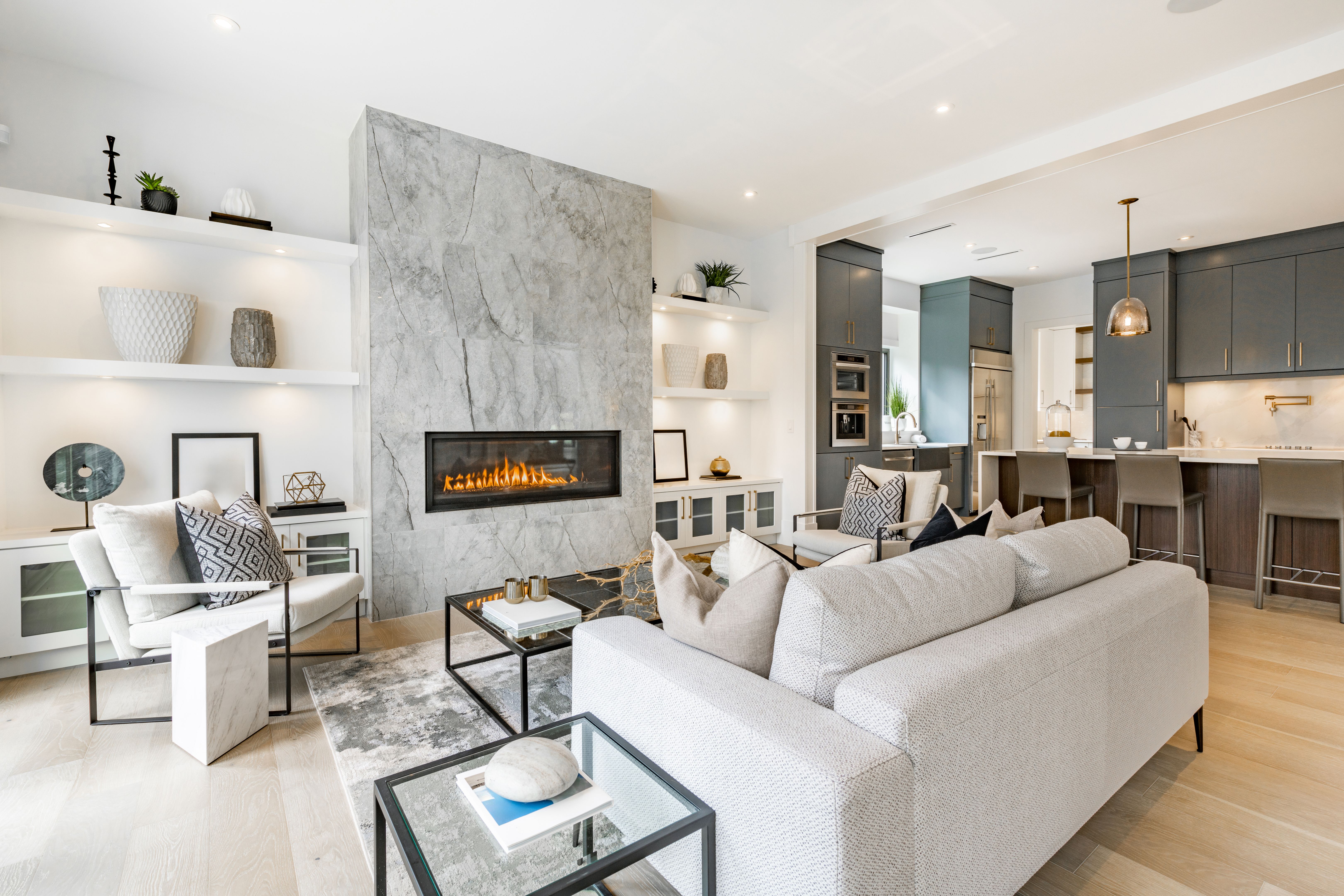
It's also crucial to think about how each room flows into the next. Open-plan living areas require a cohesive color scheme to ensure a harmonious transition between spaces. When selecting colors, think about the mood you want to create in each room. For example, calming blues and greens are perfect for bedrooms, while vibrant yellows and reds might be better suited for social areas like kitchens and dining rooms.
Evaluating Color Psychology
Color psychology plays an important role in how we perceive and feel in different environments. Understanding the psychological impact of colors can guide your choices effectively. Warm colors, such as reds and oranges, can energize a space and stimulate conversation, making them ideal for living rooms and dining areas. On the other hand, cool colors like blues and greens promote relaxation and calmness, perfect for bedrooms and bathrooms.
Neutral tones are extremely versatile and can be used in any room to create a timeless and sophisticated look. They also work well as base colors when you want to highlight particular furniture or artwork. Experiment with different shades of neutrals to find the perfect balance that complements your home's style.

Considering Essex's Unique Charm
Essex homes often boast unique architectural details that can be accentuated with the right paint colors. Consider the historical and cultural influences in your area when selecting hues. Traditional Essex homes might benefit from classic color palettes that reflect their heritage, while modern builds can embrace contemporary shades for a fresh look.
Additionally, take into account the exterior surroundings of your home. If your property is surrounded by lush greenery, earthy tones can create a seamless transition between indoor and outdoor spaces. Conversely, homes near the coast might benefit from soft blues and sandy beiges to reflect the nearby sea and sky.
Testing Before Commitment
Before committing to a specific color, it's wise to test samples on your walls. Paint small sections in various parts of the room to see how the color changes throughout the day with different lighting conditions. Pay attention to how artificial light affects the color in the evening compared to natural daylight.
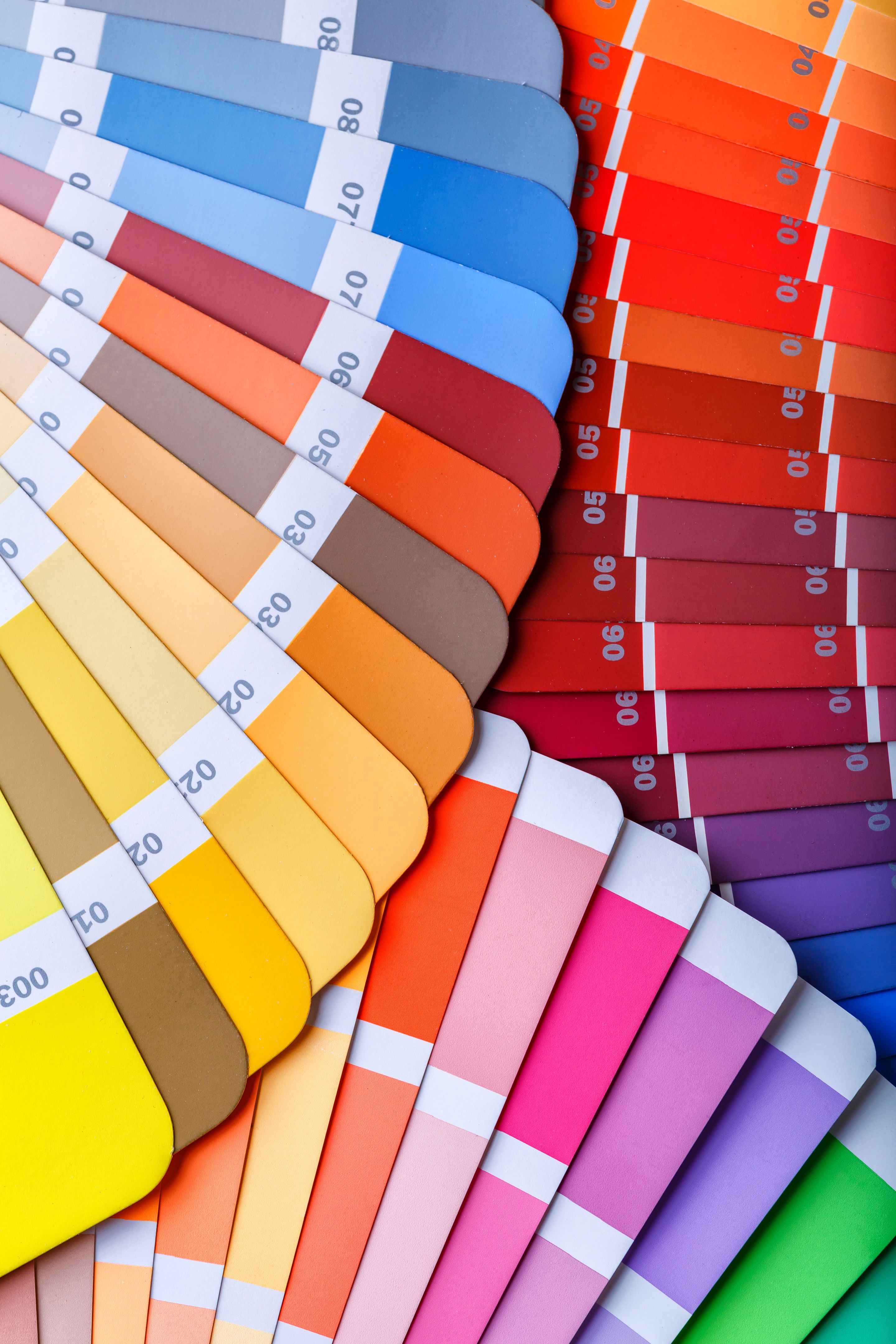
This testing phase is invaluable as it helps you avoid costly mistakes and ensures that you're completely satisfied with your choice before proceeding with a full paint job. Don't rush this step; taking the time to evaluate will lead to a more informed decision.
Consulting with Professionals
If you're feeling overwhelmed by the multitude of options, consider consulting with a professional interior designer or a color consultant. These experts have an eye for detail and can offer personalized advice based on your specific needs and preferences. They can also introduce you to new trends or techniques that you might not have considered.
Professional guidance can be particularly beneficial if you're planning a comprehensive renovation or if you're aiming to increase your home's market value. Their insights can help you make choices that are both aesthetically pleasing and financially sound.