How to Budget for Painting a House in Essex: A Comprehensive Cost Breakdown


Understanding the Basics of House Painting Costs
Painting your house is a significant investment that can enhance curb appeal and protect your property from the elements. However, budgeting for this project can be daunting without a clear understanding of the costs involved. If you're planning to have your home painted in Essex, it's essential to break down the expenses to ensure a successful project within your budget.
Several factors influence the overall cost of painting a house, including the size of the property, the type of paint used, and whether you're hiring professionals or doing it yourself. It's crucial to consider these factors early on to avoid surprises.
Estimating Material Costs
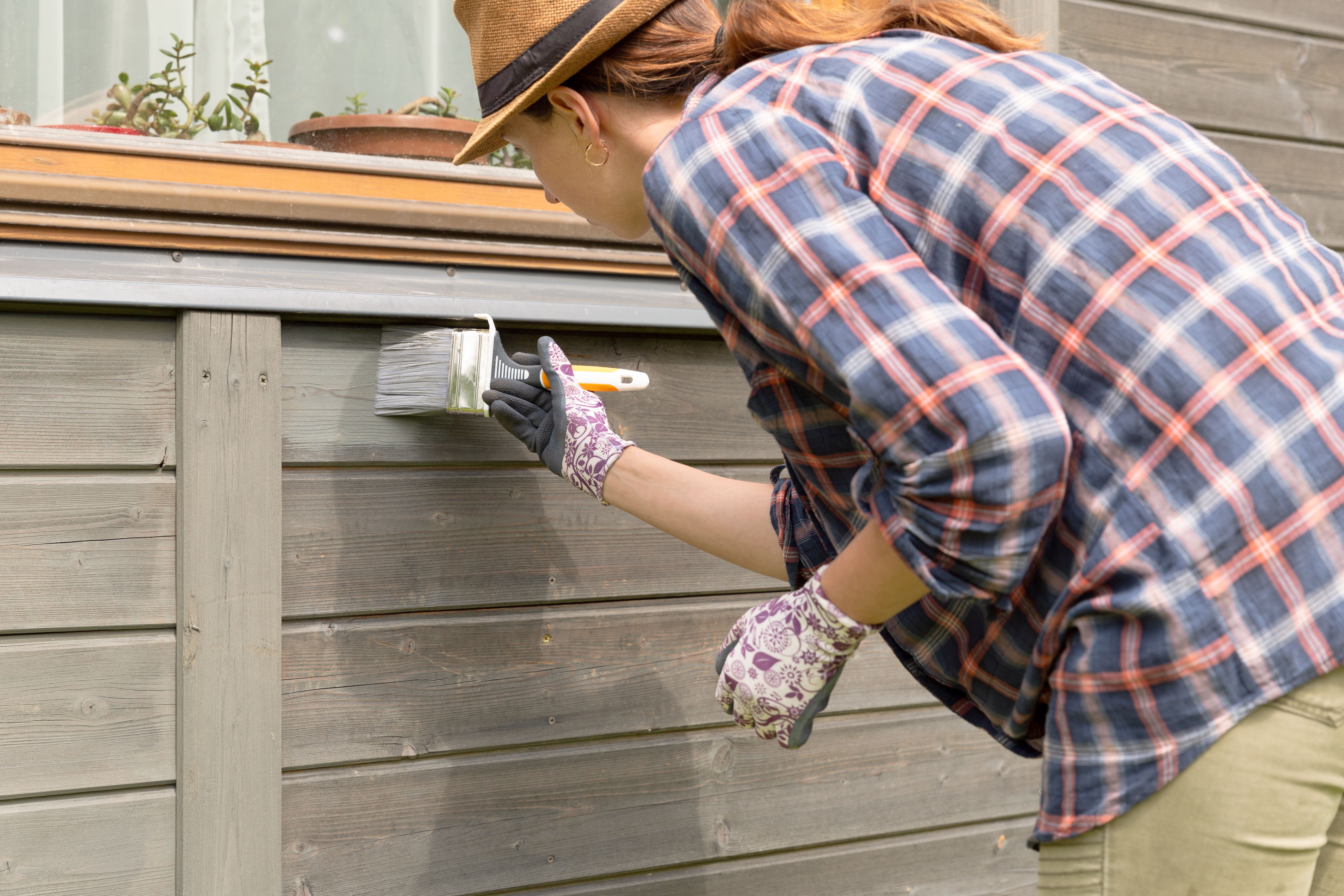
The first step in budgeting is estimating the material costs. The quality and type of paint you choose can significantly affect your budget. High-quality paints often offer better durability and finish, making them a worthwhile investment. Typically, you can expect to spend between £15 and £50 per litre, depending on the brand and type.
In addition to paint, you'll need other materials such as primers, brushes, rollers, and protective coverings. Allocate a portion of your budget for these essentials, as they are vital for achieving a professional finish.
Calculating Paint Quantity
Determining how much paint you'll need involves calculating the total surface area to be painted. Measure the height and width of each wall, then multiply these figures to find the square footage. Don't forget to subtract the areas occupied by windows and doors. Most paint cans provide coverage information to help you estimate quantity needs accurately.

Considering Labor Costs
Hiring professional painters can significantly impact your budget but ensures a higher quality finish and saves time. In Essex, labor costs can vary widely based on the complexity of the job, ranging from £150 to £300 per day per painter. When hiring professionals, always obtain several quotes and check references to ensure you get value for your money.
If you choose a DIY approach, be prepared to invest more time and effort. While this can save on labor costs, inexperienced painters might face challenges that could impact the final result.
Factoring in Additional Expenses
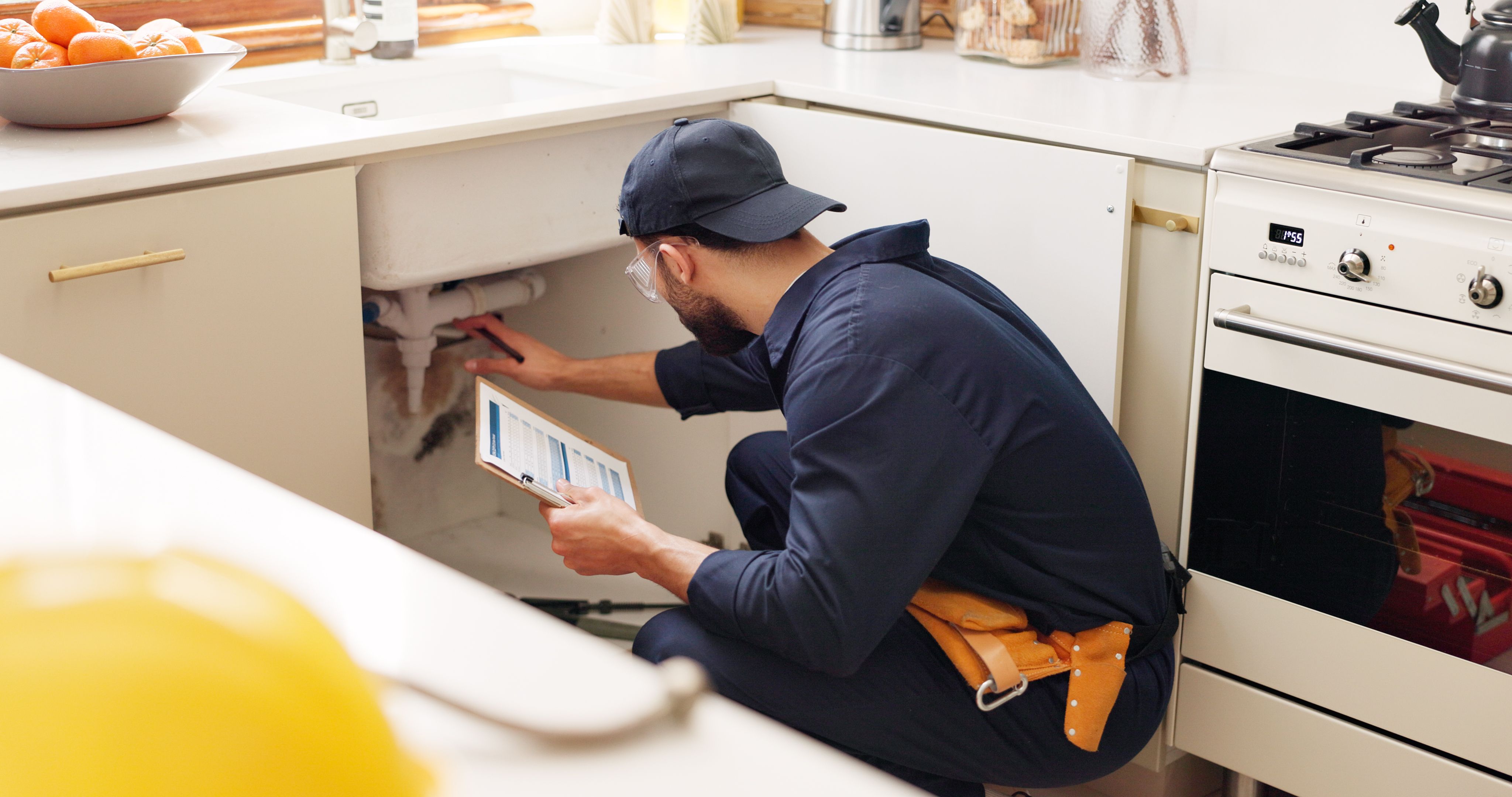
Beyond materials and labor, consider potential additional expenses. These might include repair work needed before painting, such as fixing cracks or dealing with mold. Depending on the condition of your home’s exterior, these repairs can add to your overall budget.
Creating a Detailed Budget Plan
Once you have all cost estimates, create a comprehensive budget plan. Include a contingency fund for unexpected expenses like additional paint or unforeseen repairs. A detailed plan helps you keep track of spending and ensures the project stays within financial limits.
Review your budget periodically as the project progresses, adjusting for any changes in scope or pricing. Keeping meticulous records of all expenses will help you manage your finances effectively.
Making Smart Decisions
When budgeting for painting your house in Essex, making informed decisions is crucial. Choose quality materials and skilled professionals to ensure lasting results. By carefully planning and understanding all potential costs, you can achieve a beautiful home transformation without breaking the bank.
Remember, investing time in thorough research and preparation will pay off in the long run, providing you with peace of mind and a beautifully painted home.