
Common Painting Mistakes and How to Avoid Them


Introduction
Painting can be a rewarding DIY project, but it’s easy to make mistakes that can ruin your hard work. Understanding common painting errors and how to avoid them can lead to a more professional-looking result. Whether you're refreshing a room or tackling a larger project, being aware of these pitfalls can save time and frustration.
Skipping Surface Preparation
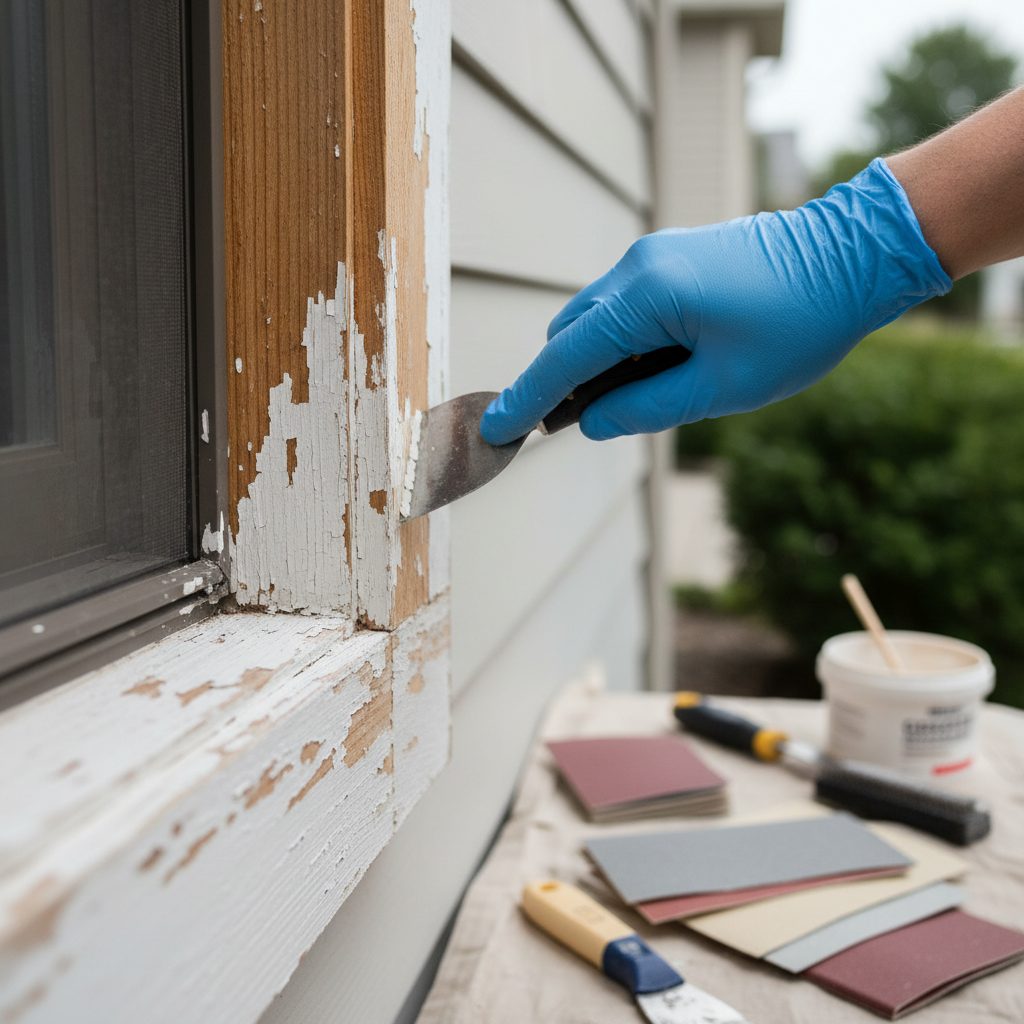
One of the most common mistakes is neglecting to properly prepare the surface before painting. This can lead to uneven finishes and a lack of adhesion. Make sure to clean the surface thoroughly, remove any old paint, and sand where necessary. Proper preparation sets the foundation for a successful paint job.
Not Using Primer
Skipping the primer is another frequent oversight. Primer helps in covering imperfections and provides a layer for the paint to adhere to. For darker walls or surfaces with stains, a primer is essential to achieve an even color and smooth finish. Always choose a primer suitable for the surface you're working on.
Choosing the Wrong Paint
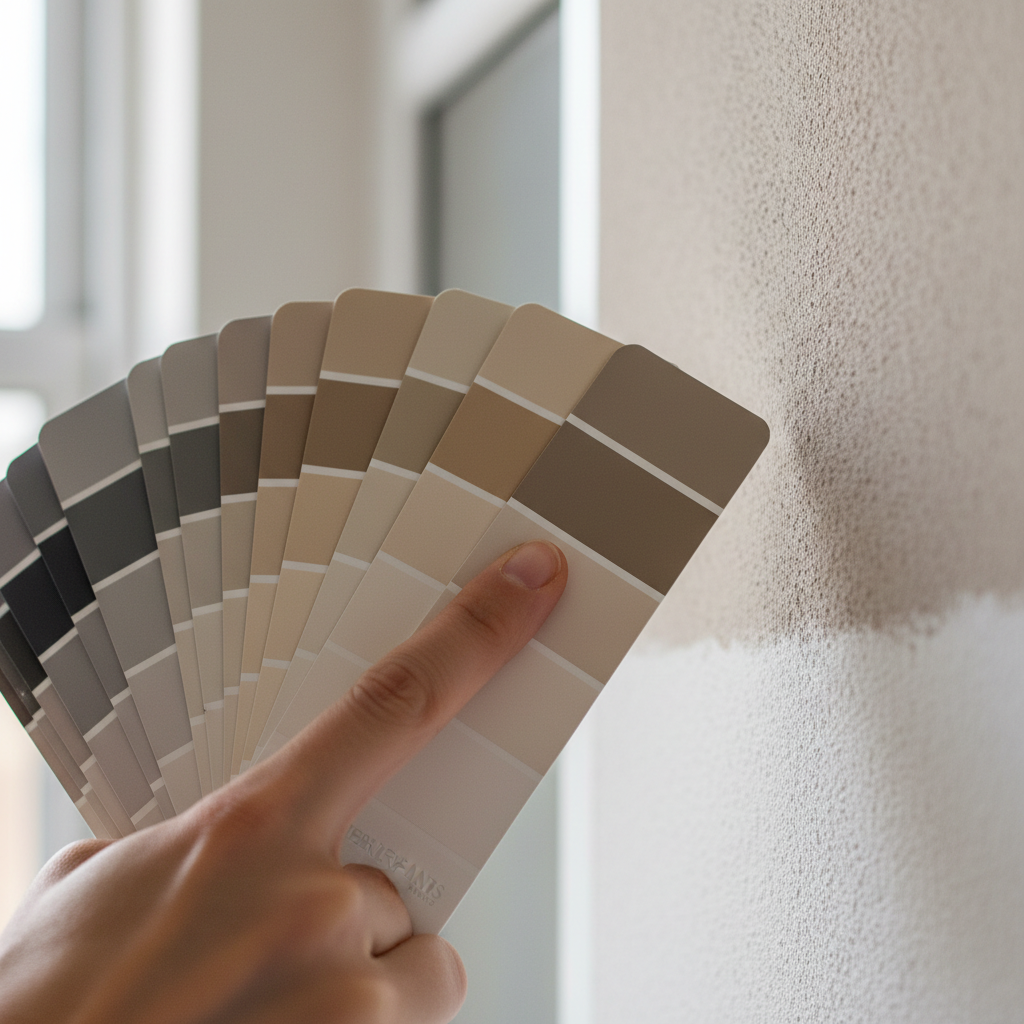
Selecting the wrong type of paint can lead to disappointing results. Consider the room's purpose and the surface material when choosing paint. For instance, kitchens and bathrooms require moisture-resistant options, while flat paints are better for low-traffic areas.
Ignoring Paint Finishes
Paint finishes matter! Glossy finishes can highlight imperfections, while matte finishes might not be durable for high-traffic areas. Understand the pros and cons of each finish and choose accordingly to match the needs of your space.
Overloading the Brush or Roller
Applying too much paint at once can cause drips and an uneven surface. Use a moderate amount of paint and apply it in thin, even layers. This technique allows for better control and a neater finish.
Not Taping Properly
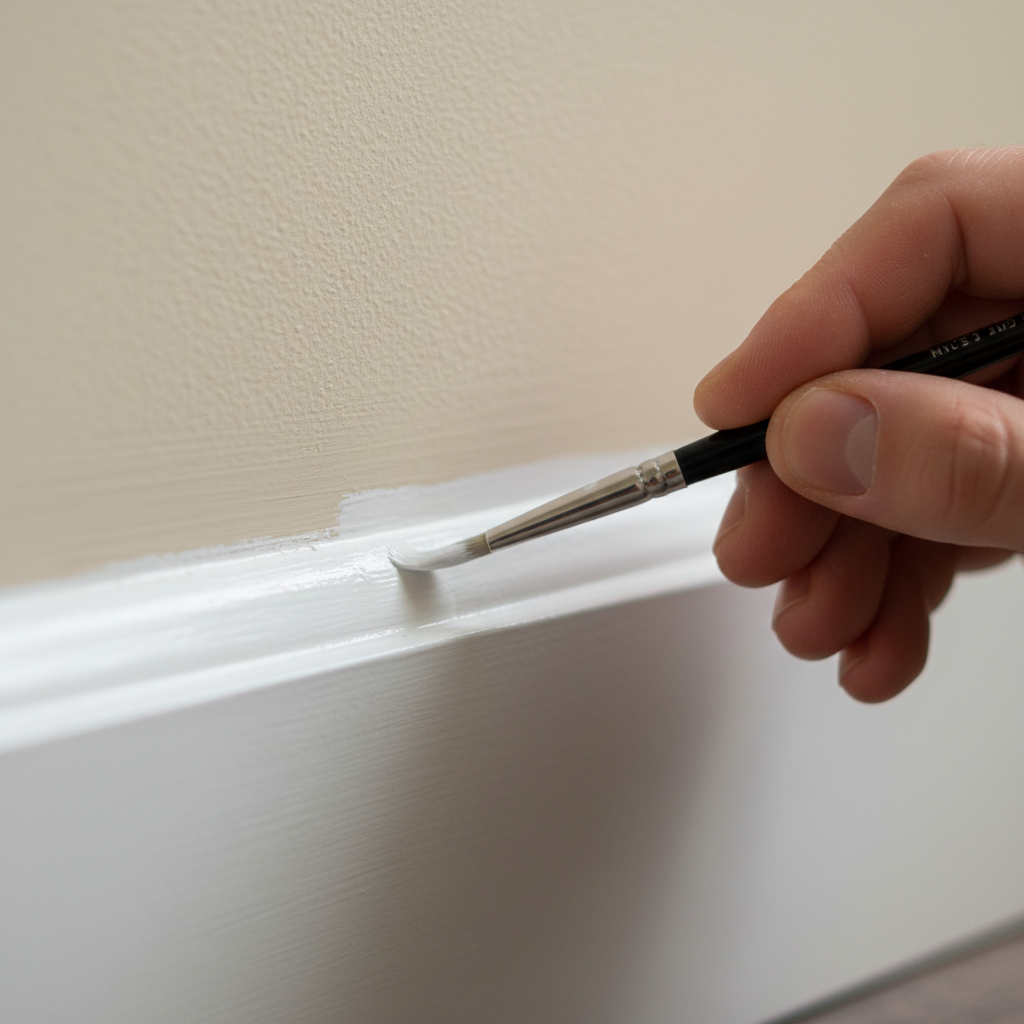
Improper taping can lead to messy edges and paint bleeding. Invest time in taping areas like trims, windows, and ceilings carefully. This will ensure clean lines and a polished look, enhancing the overall appearance of the paint job.
Rushing the Process
Patience is key in painting. Allow sufficient drying time between coats to avoid peeling or bubbling. Follow the manufacturer's instructions for drying times to ensure a durable and long-lasting finish.
Conclusion
Avoiding these common painting mistakes will help you achieve a professional-looking result. By preparing surfaces, choosing the right materials, and applying paint carefully, you can transform any space with confidence. Remember, practice and patience are vital to mastering the art of painting.