
Common Painting Mistakes and How to Avoid Them: Advice from Essex Pros


Choosing the Wrong Type of Paint
One of the most common mistakes when painting is selecting the wrong type of paint for the surface or room. Different areas require specific types of paint to ensure durability and finish. For instance, acrylic paints are typically better suited for outdoor surfaces due to their weather-resistant properties, while latex paints are more common indoors for their easy application and cleanup.

To avoid this mistake, always consider the environment in which the paint will be used. For high-moisture areas like bathrooms and kitchens, opt for a mildew-resistant paint. Consulting with a professional or knowledgeable store assistant can also provide valuable insights into the best paint choices for your project.
Skipping Surface Preparation
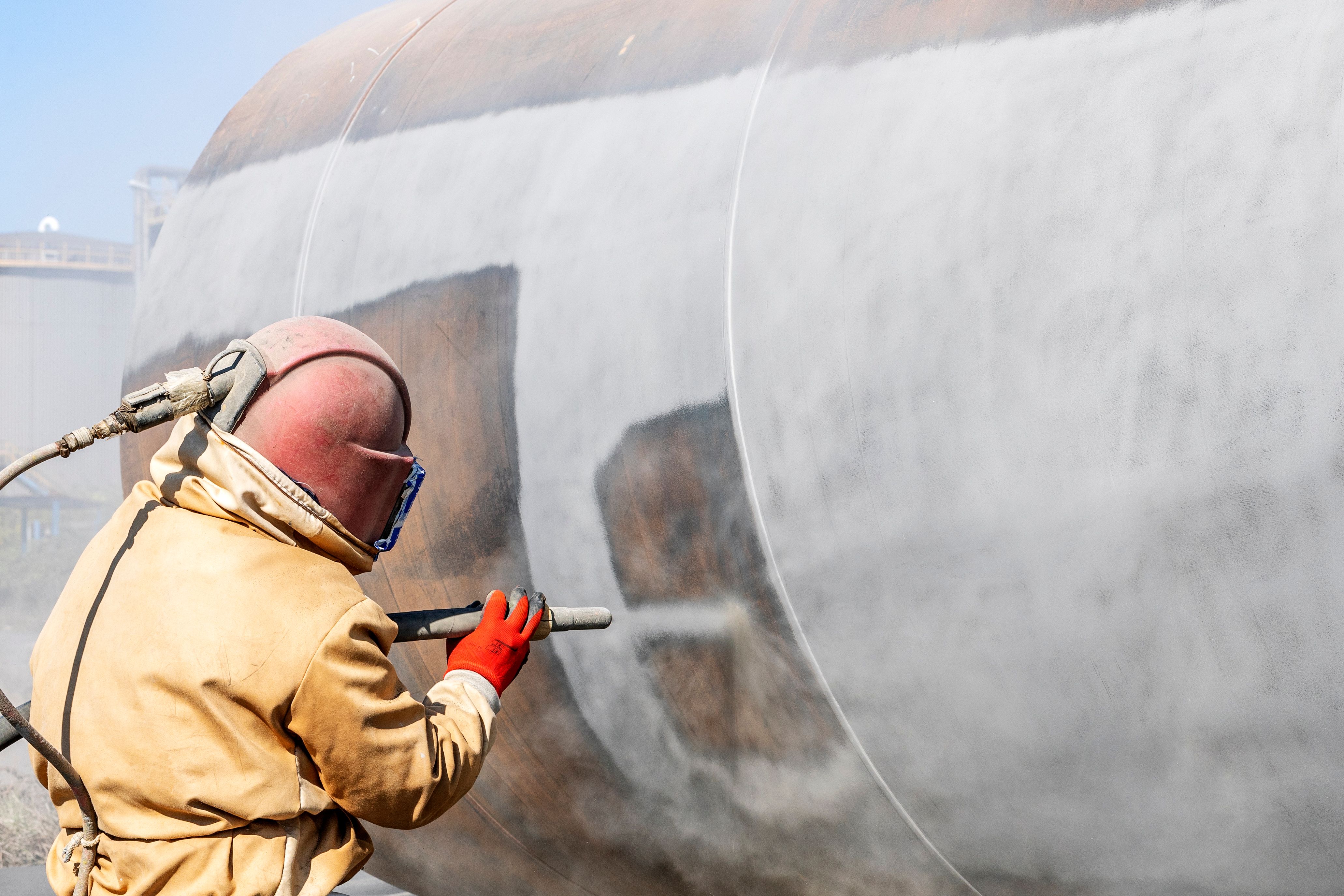
In the eagerness to see a new color on the walls, many DIY painters skip crucial surface preparation steps. This oversight can lead to uneven finishes and peeling paint over time. Proper preparation includes cleaning, sanding, and priming the surface to ensure the paint adheres well.
Before starting your painting project, make sure to:
- Clean the surface thoroughly to remove dirt and grease.
- Sand any rough spots to create a smooth base.
- Apply primer to enable better paint adhesion.
Neglecting Proper Tools
Using the right tools is essential for achieving a professional finish. Many people make the mistake of using inadequate brushes or rollers, which can lead to streaks and an uneven coat. Investing in quality tools can significantly improve the end result of your painting project.
Consider using brushes with synthetic bristles for latex paints, as they maintain their shape and offer a smooth application. Rollers should be selected based on the texture of the surface being painted. For example, a thick nap roller is suitable for textured walls, while a thinner nap works well on smooth surfaces.
Overloading the Brush or Roller
A common mistake is overloading the brush or roller with paint, leading to drips and an uneven application. It's crucial to use just enough paint to cover the surface without excess. When using a brush, dip only a third of the bristles into the paint and tap off any excess. For rollers, roll it back and forth in the tray until it's evenly covered.

This technique helps achieve a smooth finish and reduces waste. Additionally, painting in sections and maintaining a consistent pressure throughout can prevent visible lines and ensure an even coat.
Ignoring Weather Conditions
Weather conditions can significantly impact how well paint adheres and dries. High humidity or extreme temperatures can cause issues such as delayed drying times or blistering. For outdoor projects, it's best to choose a dry day with moderate temperatures.
If you're painting indoors, ensure that the room is well-ventilated and that the temperature is controlled. Using fans or opening windows can help speed up drying times and improve air circulation.

Lack of Patience
A rushed painting job often leads to visible errors and uneven coverage. Patience is key when it comes to achieving a flawless finish. Allow ample time for each coat of paint to dry completely before applying another layer.
Following these tips from Essex painting pros can help you avoid common pitfalls and ensure your painting project is successful. With careful planning and execution, you'll achieve a beautiful finish that lasts for years to come.